
How AI Features Keep Users Engaged Beyond the Chatbot


2026
AI features only matter when they improve the product experience in a measurable way. At Technier, we look beyond novelty and focus on how recommendation flows, contextual assistants, and workflow automation improve conversion, retention, and operational speed.
What makes AI features worth shipping?
The difference between a demo and a durable AI feature is product fit. Strong AI work starts with the problem, then moves through data quality, system design, evaluation, and operational constraints. Before integrating AI into your product, these are the questions worth answering first:
1. Start with a user problem
Define the workflow, friction point, or decision bottleneck the feature should improve. Good AI features support a product journey instead of existing as isolated gimmicks.
2. Design around real data
Recommendations, copilots, search, and agents only perform well when they are grounded in the right data model, retrieval strategy, and system boundaries.
3. Measure output quality early
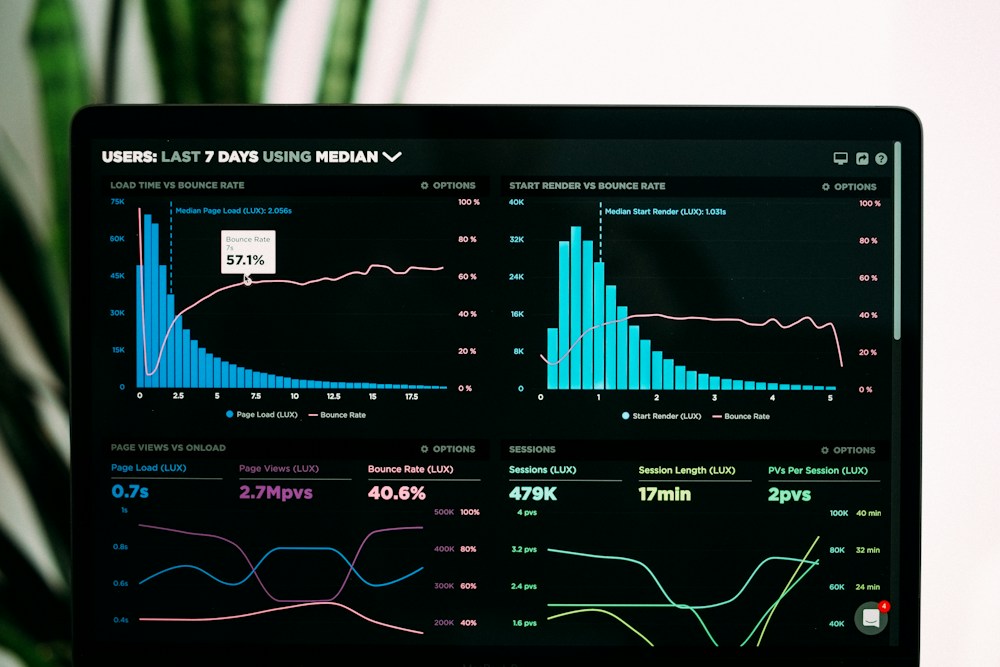
Evaluation should be part of implementation from day one. Teams need clear metrics for latency, accuracy, approval rate, business impact, and operating cost.
“The best AI features feel invisible to the user because they remove friction instead of demanding attention.”
Operational readiness matters
Production AI means thinking about monitoring, prompt iteration, fallback behavior, security, and escalation paths. Reliability is part of the product experience.
AI should support outcomes, not distract from them
Technier approaches AI the same way we approach software delivery: tie every decision back to user value, system clarity, and the long-term maintainability of the product.
Related Articles

Navigating the Stock Market: A Beginner's Guide

Navigating the Stock Market: A Beginner's Guide

Navigating the Stock Market: A Beginner's Guide